The Great Ocean Road is one of the most famous coastal drives in the world, and driving it in a campervan is the best way to enjoy it. This guide covers a 5–7 day Melbourne to Adelaide itinerary that follows the Great Ocean Road, then continues along the Limestone Coast and the Coorong to Adelaide.
You will stop at surf beaches, rainforest waterfalls, the Twelve Apostles and wild coastal national parks. You will also find out where to stay, how long each drive takes and what to book before you go.
Because you can pick up in Melbourne and drop off in Adelaide, a one-way hire means you never have to backtrack. If you are comparing options, read our guide to one way campervan hire in Australia.
Quick Overview
| Route | Distance | Recommended Time | Best For |
|---|---|---|---|
| Melbourne → Adelaide | ~1,050 km | 5–7 days | Coastal scenery, wildlife, wine and surf beaches |
Great Ocean Road Route Map
Tap a stop to see the distance and driving time from the previous stop.
Loading map…
Route Overview
The route starts in Melbourne and follows the Surf Coast to Torquay, the official start of the Great Ocean Road. From there it hugs the coastline through Lorne and Apollo Bay, climbs into the Otway Ranges and finishes the famous section at Port Campbell and Warrnambool.
After the Great Ocean Road, the trip carries on west along the Shipwreck Coast and into South Australia. You pass Mount Gambier, the fishing villages of Robe and Beachport and the long Coorong coastline before arriving in Adelaide via the Fleurieu Peninsula.
Day-by-Day Great Ocean Road Itinerary
Leave Melbourne early and head to Torquay, home of Bells Beach and the famous surf brands. Walk under the Great Ocean Road arch at Eastern View, then continue along the coast to Lorne for waterfalls and a coffee on the main street.
Just before Apollo Bay, stop at Kennett River where wild koalas sit in the trees beside the road.
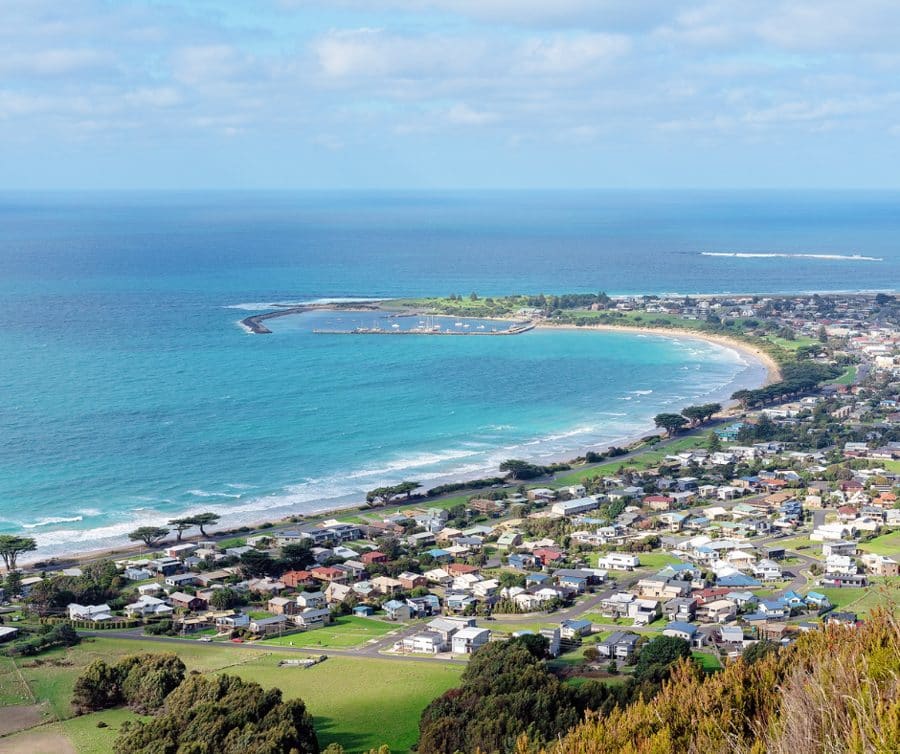
- Bells Beach lookout
- Great Ocean Road memorial arch
- Erskine Falls near Lorne
- Koala spotting at Kennett River
- Holiday parks and caravan parks in Apollo Bay
- Beachfront campgrounds around Lorne (book ahead in summer)
Turn inland to the Great Otway National Park. Walk to Hopetoun Falls or Triplet Falls, try the Otway Fly Treetop Walk and drive out to the Cape Otway Lightstation, the oldest surviving lighthouse on mainland Australia.
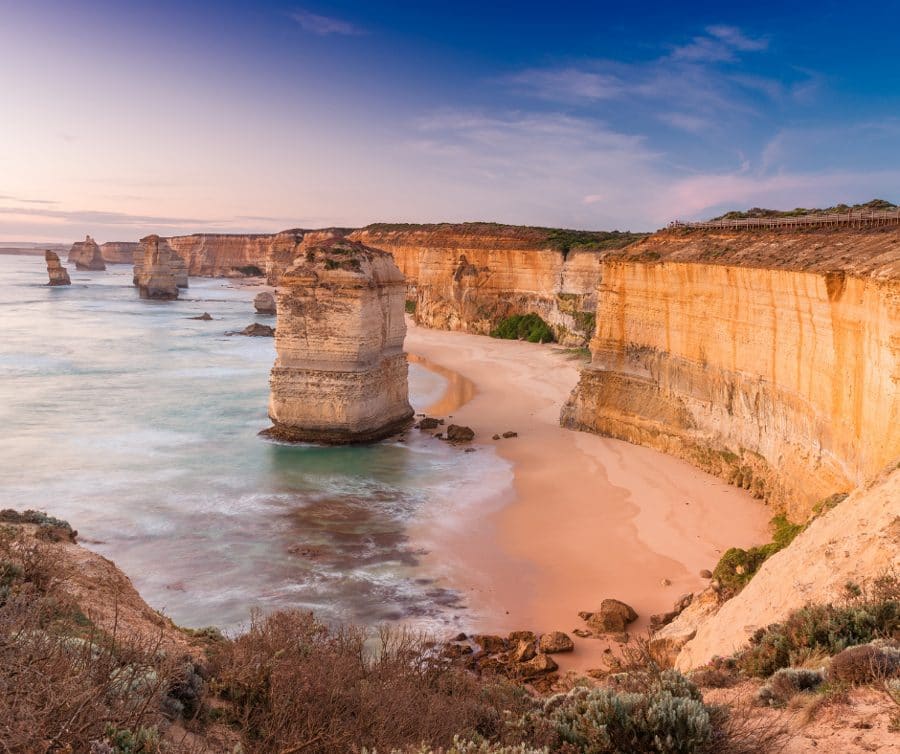
In the afternoon, continue along the Shipwreck Coast to the Twelve Apostles, a line of limestone stacks rising out of the Southern Ocean. Sunset and sunrise are the best times for photos.
- Maits Rest rainforest walk
- Cape Otway Lightstation
- Twelve Apostles lookouts
- Loch Ard Gorge
- Port Campbell caravan parks and holiday parks
- Bimbi Park near Cape Otway (koalas in the campground)
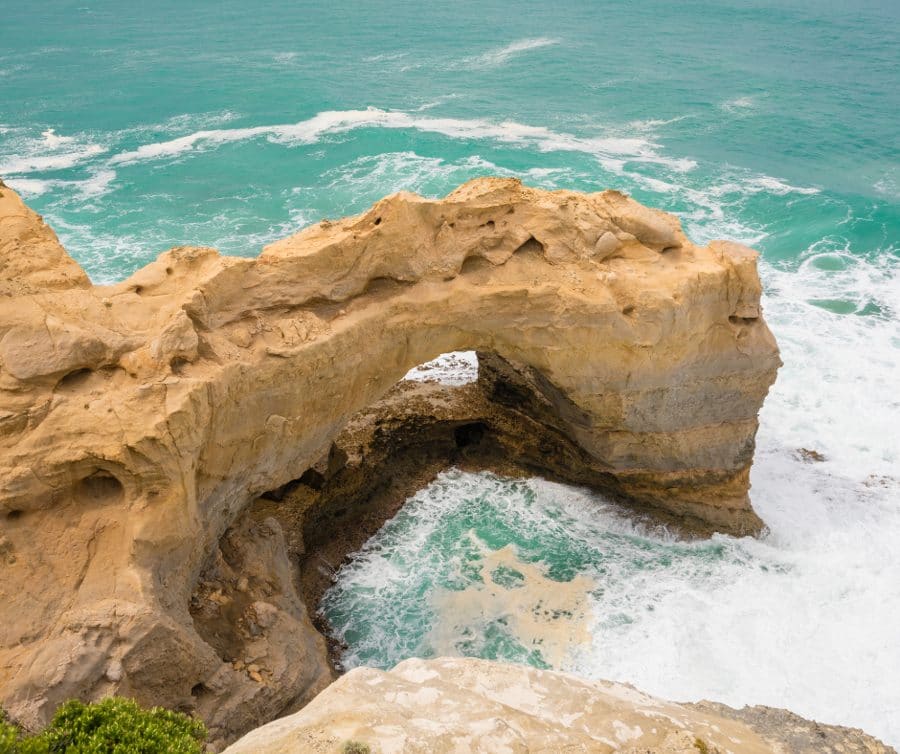
Spend the morning on the Port Campbell coastline. London Arch, The Grotto, the Bay of Islands and Gibson Steps are all short stops from the main road.
Finish in Warrnambool, where Logans Beach has a southern right whale nursery between about May and October.
- London Arch
- The Grotto
- Bay of Islands Coastal Park
- Logans Beach whale viewing platform
- Warrnambool beachfront holiday parks
- Port Fairy campgrounds a short drive further west
Stop in Port Fairy for lunch by the harbour, then cross into South Australia and head for Mount Gambier. The Blue Lake is famous for turning a vivid blue in summer, and the Umpherston Sinkhole is a garden inside a collapsed cave.
- Port Fairy harbour and lighthouse walk
- Blue Lake lookout
- Umpherston Sinkhole
- Mount Gambier holiday parks and caravan parks
Follow the Limestone Coast to the quiet fishing towns of Beachport and Robe. Walk out along the Beachport jetty, then spend the afternoon on the beach or exploring Robe's historic streets and cafés.
- Beachport Jetty
- Little Dip Conservation Park
- Robe Obelisk and Long Beach
- Robe caravan parks
- Beachport foreshore campgrounds
This is the longest driving day. Follow the Coorong, a long, narrow lagoon system backed by sand dunes and rich in birdlife, then cross the Murray Mouth region and reach Victor Harbor on the Fleurieu Peninsula.
- Coorong National Park viewpoints
- Goolwa and the Murray Mouth
- Granite Island and the horse-drawn tram at Victor Harbor
- Victor Harbor caravan and holiday parks
On the final morning, detour through McLaren Vale wine country or the Fleurieu Peninsula beaches before driving into Adelaide to return your campervan.
- McLaren Vale cellar doors
- Port Willunga or Aldinga beaches
- Adelaide Central Market
How Many Days Do You Need?
5 days (highlights only)
Possible if you skip the Limestone Coast stops, but you will spend a lot of time driving. Plan on long days after Mount Gambier.
6–7 days (recommended)
This gives you time at the Twelve Apostles, a whale-watching morning in Warrnambool and a relaxed finish through the Fleurieu Peninsula.
10 days or more
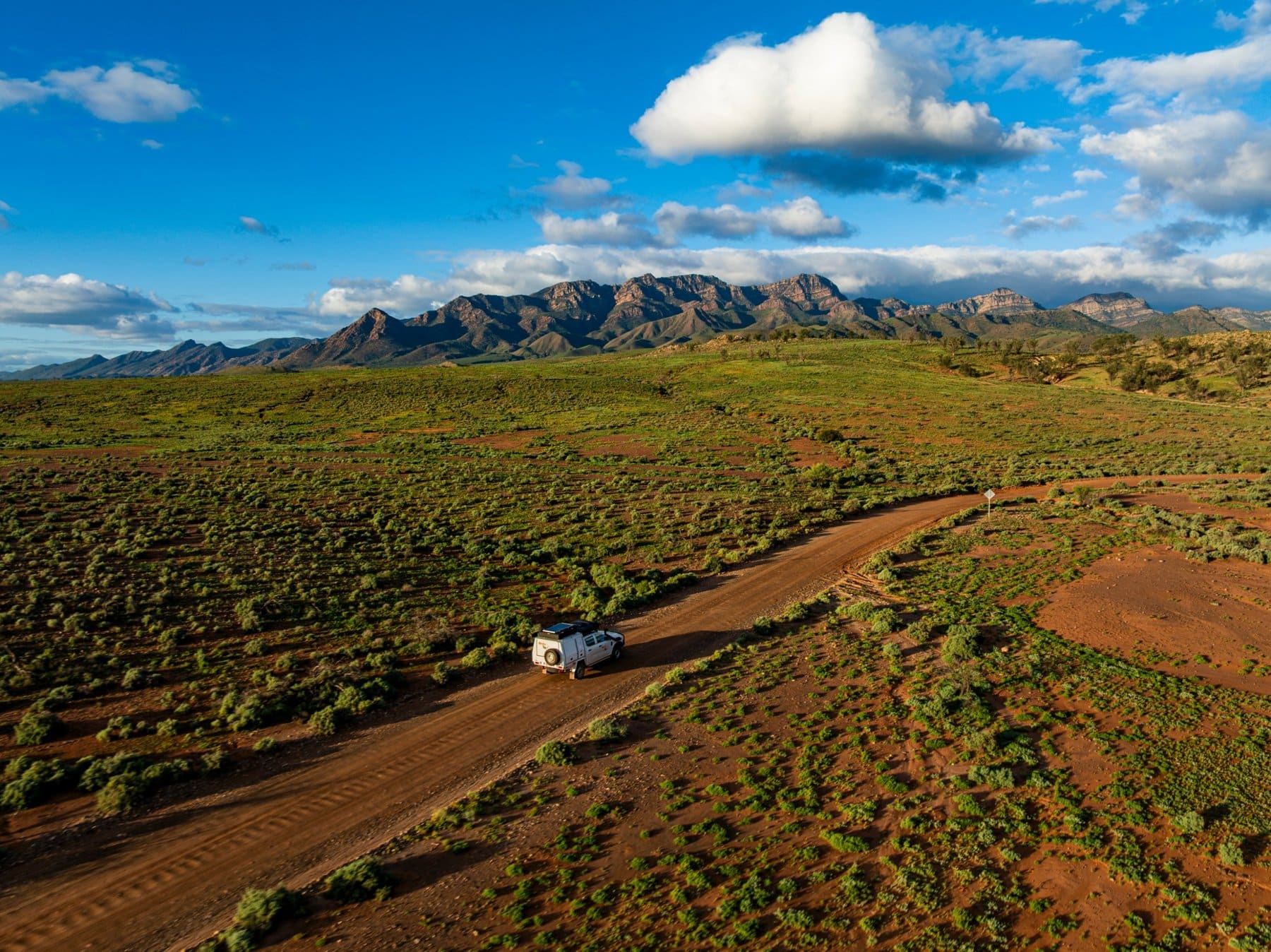
Add the Grampians National Park, Kangaroo Island or the Flinders Ranges. See our Red Centre guide if you want to keep going north.
Best Time to Drive the Great Ocean Road
Spring and autumn give you mild weather and fewer crowds. Summer (December to February) is busy and campsites book out early. Winter is cooler and wetter, but it is the best season for whale watching and storm-watching along the coast.
Cost Overview
For a full breakdown, see our Australia road trip budget guide.
Campervan Tips for the Great Ocean Road
Book campsites early
Coastal campgrounds between Lorne and Port Campbell fill quickly in summer and school holidays.
Allow extra time
The road is narrow and winding, with lookouts every few minutes. A distance of 100 km can easily take half a day.
Watch for wildlife
Kangaroos, wallabies and koalas are most active at dawn and dusk. Take extra care driving then.
Check where you can camp
Free camping is limited along the Great Ocean Road. Read our guide to free camping in Australia and always check local signs.
Which Campervan Is Best?
A hi-top or low-top campervan is ideal for two travellers. If you are travelling with family or want more space for wet weather, consider a motorhome. Our guide to choosing the right campervan explains the differences.
Where to Stay on the Great Ocean Road
Coastal accommodation is limited, so planning your overnight stops matters more than on most routes. Holiday parks in Apollo Bay, Port Campbell and Warrnambool offer powered sites, kitchens and hot showers, and most accept campervans without a booking outside school holidays.
Between Lorne and Port Campbell there are only a handful of public campgrounds inside the Great Otway National Park, and these book out months ahead for summer. In South Australia, Robe, Beachport and Mount Gambier all have caravan parks within walking distance of the town centre.
- Book Apollo Bay and Port Campbell first, because they are the most in-demand stops.
- Carry a self-contained van if you plan to use basic bush camps.
- Check each campground for generator and campfire rules before you arrive.
Things to Do Along the Route
Beaches and surf
Bells Beach, Anglesea, Lorne and Johanna Beach all have swimmable water or surf, but currents can be strong. Swim only at patrolled beaches during summer.
Walks and waterfalls
Short rainforest walks at Erskine Falls, Triplet Falls and Hopetoun Falls make good leg-stretchers between driving legs. Allow an hour each.
Wildlife
Koalas at Kennett River, kangaroos at Anglesea Golf Club in the early morning, and southern right whales at Warrnambool between about June and September.
Food and drink
Try fresh crayfish at Lorne and Apollo Bay, cheese and dairy around Allansford, and Coonawarra wines north of Mount Gambier.
Road Rules and Safety
The Great Ocean Road is a single-lane-each-way coastal road with sharp bends, cyclists and sightseeing traffic. Keep left, use the slow-vehicle pull-offs and never stop on the road to take photos. Speed limits drop to 80 km/h or lower on many sections.
Fuel is available in Torquay, Lorne, Apollo Bay, Port Campbell, Warrnambool and all larger towns, but fill up before the Otways stretch if you are below half a tank. Mobile coverage is patchy around Cape Otway, so download offline maps first. Our guide to the best campervan travel apps lists the best offline options.
What to Pack
- Warm layers and a waterproof jacket, because the Southern Ocean weather changes quickly
- Swimwear, a towel and sun protection
- Binoculars for whale season
- Water bottles, a cooler bag and picnic gear
- A printed or offline copy of your campsite bookings
Is This Route Right for You?
This route suits couples, small groups and families who want a mix of scenery and easy driving. It is manageable for first-time campervan drivers, and the one-way option means you avoid backtracking. If you are on a tight budget, read our how much campervan hire costs guide, and check the campervan rental bond rules before you collect your van.
Campsites and Holiday Parks on the Route
Powered sites are easiest in towns, while the Otways and the Limestone Coast have scenic bush and beachside options. Always check current availability, van length limits and booking rules before you travel.
Victoria
- Torquay and Anglesea: foreshore and holiday parks close to Bells Beach and the start of the road.
- Lorne: foreshore caravan parks beside the beach, handy for the Erskine Falls walk.
- Apollo Bay: several holiday parks within walking distance of the harbour and the Saturday market.
- Otway National Park: Blanket Bay, Aire River and Johanna Beach campgrounds suit self-contained vans and fill early in summer.
- Cape Otway: Bimbi Park offers bush camping among koalas, close to the lightstation.
- Port Campbell: the holiday park is a short walk to the town beach and a quick drive to the Twelve Apostles.
- Warrnambool and Port Fairy: beachside holiday parks, good bases for whale watching and the Port Fairy lighthouse walk.
South Australia
- Mount Gambier: holiday parks close to the Blue Lake and the Cave Garden.
- Robe and Beachport: coastal holiday parks with jetty fishing and quiet beaches.
- Kingston SE and the Coorong: simple parks and roadside stops with easy access to the lagoons.
- Victor Harbor, Goolwa and Hahndorf: holiday parks in the Fleurieu and Adelaide Hills before you reach Adelaide.
More Ideas for Your Great Ocean Road Trip
Lookouts and short walks
- Gibson Steps for a close-up of the sea stacks
- Loch Ard Gorge and Razorback lookouts
- London Bridge and the Grotto
- Cape Otway Lightstation for views and shipwreck history
- Otway Fly Treetop Walk among the tall tree ferns
Quiet detours
- Tower Hill near Koroit, an extinct volcano with emus and koalas
- Bay of Martyrs and Bay of Islands, less crowded than the Apostles
- Naracoorte Caves, a World Heritage fossil site
- Umpherston Sinkhole in Mount Gambier, especially at dusk
Food stops
- Fresh seafood at Apollo Bay and Port Fairy
- The Cheese World museum and dairy outlets near Allansford
- Fleurieu Peninsula wineries and McLaren Vale cellar doors
Frequently Asked Questions
How long does it take to drive the Great Ocean Road?
The Great Ocean Road is about 243 km and takes around 4–5 hours of driving without stops. Most travellers allow 2–3 days to enjoy it properly.
Can you do the Great Ocean Road in a campervan?
Yes. A standard campervan can drive the whole road. Take it slowly on the winding sections and book campsites in advance during summer.
Is it better to drive Melbourne to Adelaide or Adelaide to Melbourne?
Both directions work. Driving from Melbourne puts you on the ocean side of the road, which many travellers prefer for the views.
Where is the best place to see the Twelve Apostles?
The main lookout at the Twelve Apostles Visitor Centre is the most popular. Nearby Gibson Steps, Loch Ard Gorge and London Arch are also worth the stop.
Is a one-way campervan hire from Melbourne to Adelaide more expensive?
Often there is a one-way fee, but some operators offer relocation deals on this route. Compare options with Australian Backpackers before you book.
How much does it cost to drive the Great Ocean Road in a campervan?
Expect to spend roughly $100–$200 per day on hire plus fuel, campsites and food, depending on season and van type. Our budget guide has a full breakdown.
Do I need to book campsites on the Great Ocean Road?
Yes in summer and school holidays. Apollo Bay, Port Campbell and Otways campgrounds sell out early.
Is the Great Ocean Road safe to drive in a campervan?
Yes, but drive slowly, keep left and take breaks. Roads are narrow and winding with plenty of cyclists and tourist traffic.
What is the best time of day to see the Twelve Apostles?
Early morning or around sunset, when crowds are lower and the light is best for photos.
Where can I camp on the Great Ocean Road?
Holiday parks in Torquay, Lorne, Apollo Bay, Port Campbell and Warrnambool cover most overnight stops. Parks Victoria campgrounds in the Otways suit self-contained vans, but book well ahead in summer.
How many days do you need for the Great Ocean Road?
Allow at least three days for the Victorian section and five to seven days if you continue through the Limestone Coast to Adelaide.
What is there to do in Mount Gambier?
Visit the Blue Lake, the Cave Garden and Umpherston Sinkhole, and take a short drive to the Naracoorte Caves.
Can you see whales on the Great Ocean Road?
Yes. Southern right whales visit Warrnambool and Port Fairy between roughly June and September.
Ready to start planning?
Compare campervan hire options in Melbourne and Adelaide and find the perfect vehicle for your Great Ocean Road adventure.
Campervan hire Melbourne→Ready to start your trip?
Compare campervans and motorhomes from trusted operators, with the best rates in one place.
Find a Campervan NowDesign concept: article copy is condensed from the live post. Paste the full live text into this template before launch so no SEO value is lost.