Waking up beside a lake with the mountains to yourself is one of the best parts of a New Zealand campervan trip. But the freedom camping rules changed, and from 7 June 2026 the old system is gone completely.
Here's what freedom camping in New Zealand means now, which campervans qualify, where you can and can't camp, and how to stay on the right side of the rules.
What counts as freedom camping in New Zealand?
Freedom camping means staying overnight on public land that isn't a campground or holiday park. Under New Zealand government guidance, it covers camping in a campervan, tent or other temporary shelter within 200 metres of a road, a vehicle-accessible area or the low tide line.
It doesn't include paid campsites, holiday parks or Department of Conservation (DOC) campsites, which have their own rules and fees.
The green warrant and self-contained vehicles
Many of the best freedom camping spots are for certified self-contained vehicles only. Under the Self-contained Motor Vehicles Legislation Act 2023, the rules for what counts as self-contained have changed.
- The old blue self-containment stickers stopped being valid when the transition period ended on 7 June 2026.
- Vehicles now need a green warrant to be certified self-contained.
- The vehicle must have a fixed toilet. A portable toilet no longer qualifies.
- You have to display the warrant when you camp in a self-contained-only area.
- The Plumbers, Gasfitters and Drainlayers Board runs the certification system.
Council rules vary from place to place
Each council sets its own freedom camping rules through local bylaws, and they can be very different from one district to the next. Examples from government guidance include:
- No camping within a set distance of a town centre
- Vehicle camping only in certified self-contained vehicles
- One-night limits in certain car parks
Rules can be tight in busy tourist areas, so always check the council's website or the signs at the site.
Freedom camping on DOC land
DOC manages national parks and conservation land. Freedom camping is allowed in many conservation areas, but not all of them.
- Scenic and recreation reserves need a designated campsite.
- Some areas are prohibited, even for certified self-contained vehicles.
- Some areas limit camping to self-contained vehicles or set a maximum number of nights.
- Freedom camping is generally not allowed near Great Walks tracks.
- Dogs aren't allowed when freedom camping in national parks.
DOC also runs more than 320 campsites across the country, from basic sites to ones with toilets and showers. They're a cheap, beautiful alternative if your van isn't self-contained.
Fines
Breaking freedom camping rules can mean an infringement fine. The current amounts are set out in the Ministry of Business, Innovation and Employment's infringement offences table. With a hire campervan, the company will usually pass the fine on to you, often with an admin fee.
How to freedom camp the right way
- Use an app like CamperMate to find legal spots and check the rules for each one.
- Read the signs where you park. Some restricted areas have no signs, so check the app or council website too.
- Take all your rubbish with you.
- Use toilets and dump stations, never the bush.
- Don't light fires.
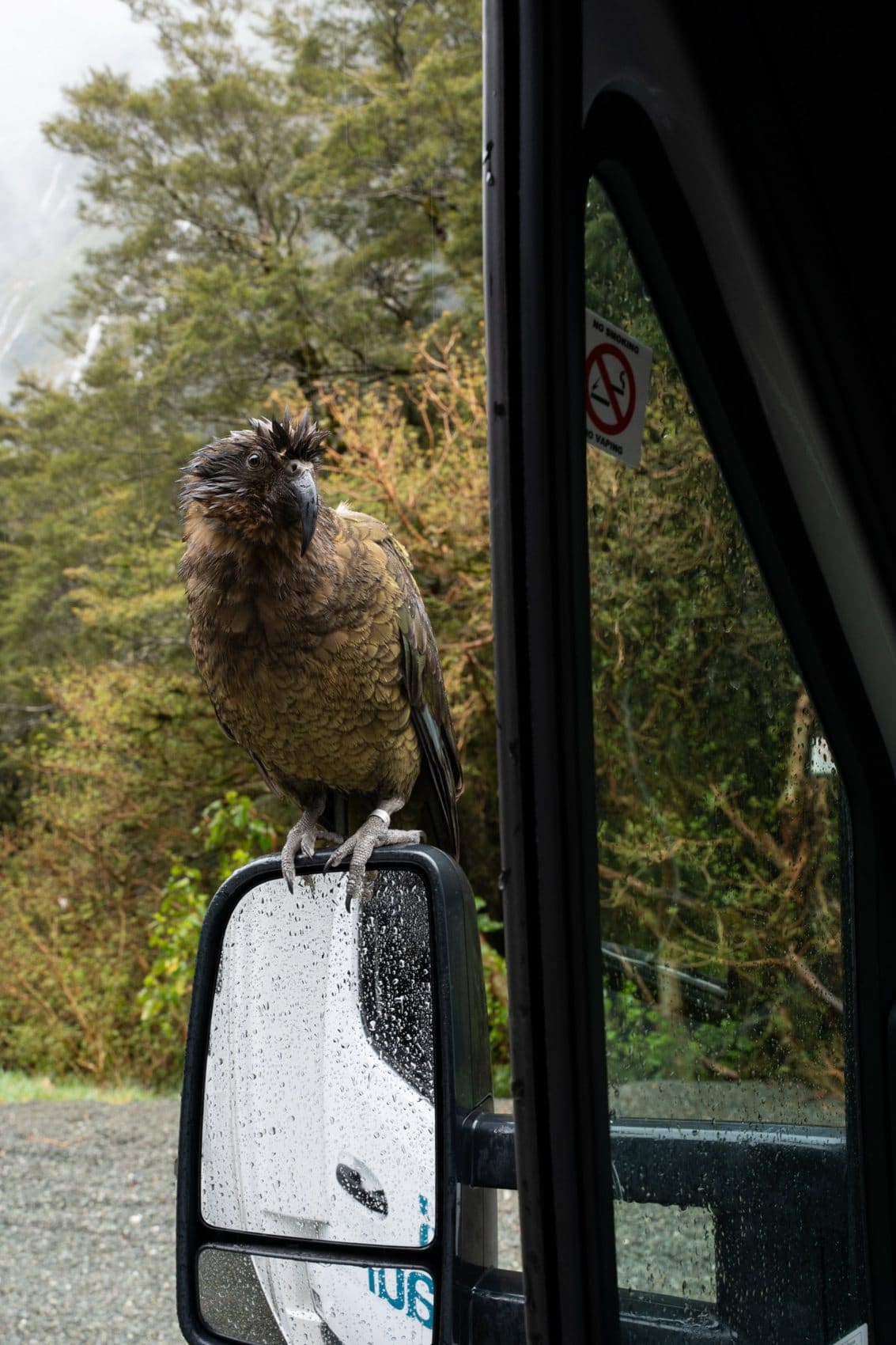
- Leave plants and wildlife alone. Yes, that includes the kea on your wing mirror.
Plan your New Zealand campervan trip
Our New Zealand itineraries include campsite suggestions for each route, and our location pages cover pick-up depots on both islands.
South Island campervan itinerary: Christchurch to Queenstown→North Island campervan itinerary: Auckland to Rotorua and Taupo→Campervan hire Queenstown→Driving in New Zealand in a campervan→Australia vs New Zealand for a campervan trip→Frequently Asked Questions
Can you still freedom camp in New Zealand in 2026?
Yes, but only where it's allowed. Many spots are for certified self-contained vehicles only, and councils and DOC set their own rules.
Are blue self-containment stickers still valid in New Zealand?
No. The transition period ended on 7 June 2026. Vehicles now need a green warrant to be certified self-contained.
Does a portable toilet count as self-contained?
No. Under the new rules, a certified self-contained vehicle must have a fixed toilet.
Where can I find legal freedom camping spots in New Zealand?
Check council websites, DOC's list of restricted and prohibited areas, and apps like CamperMate. Always read the signs on site.
Ready to start your trip?
Compare campervans and motorhomes from trusted operators, with the best rates in one place.
Find a Campervan Now